The Cultural Icons Every Decade Produced
Mekhi Gross
September 8, 2026
Every decade creates famous people, but only a handful become something bigger than celebrities.
Cultural icons influence the way people dress, speak, create and think. Their images remain recognizable long after their biggest movies, albums or achievements have left the charts. Sometimes they represent the mood of their era. Sometimes they challenge it. The most interesting ones manage to do both.
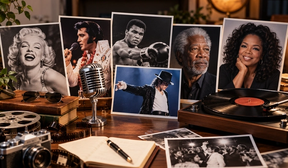
From Marilyn Monroe and Muhammad Ali to Madonna, Michael Jordan and Beyoncé, each generation has produced figures who became symbols of something larger than their careers.
Looking back at them is also a way of seeing how our definition of fame has changed.
The 1950s created the modern celebrity
The 1950s helped establish a version of celebrity culture that still feels familiar today.
Marilyn Monroe became one of Hollywood’s most recognizable figures. Her platinum hair, white dress and carefully constructed public image became symbols of the decade, but her continuing fascination also comes from the complicated person behind that image.
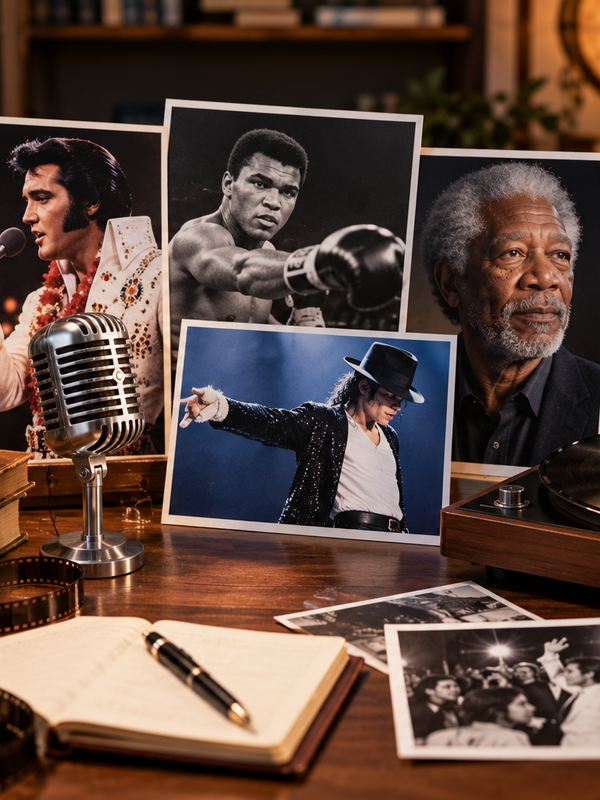
Elvis Presley created a different kind of cultural shock. His music, clothing, hair and performances helped bring rock and roll into mainstream popular culture. To young fans, he represented excitement and rebellion. To some parents, that was precisely the problem.
James Dean achieved an extraordinary level of cultural influence despite appearing in only a few major films. His image as the sensitive, rebellious young outsider became so powerful that it outlived the short career that created it.
Together, these figures helped turn celebrity into identity. People didn’t simply enjoy their work. They wanted to look like them and live like them.
The 1960s made icons symbols of change
The 1960s produced cultural figures who became closely associated with enormous social changes.
The Beatles transformed popular music while also influencing fashion, youth culture and ideas about what a band could become. Their evolution throughout the decade reflected the rapid changes happening around them.
Muhammad Ali became much more than a boxing champion. His confidence, charisma and willingness to speak publicly about race, religion and politics made him one of the most recognizable figures in the world.
Audrey Hepburn remained an influential symbol of style, while figures such as Jimi Hendrix represented a more experimental counterculture.
The decade demonstrated that cultural icons did not have to remain safely inside entertainment.
They could become participants in the debates shaping society.
The 1970s celebrated individuality
The 1970s produced icons who often seemed impossible to imitate.
David Bowie repeatedly reinvented his appearance and musical identity, treating fame almost like a performance of its own. His influence extended far beyond music into fashion, gender expression and visual culture.
Farrah Fawcett became a defining beauty and fashion icon, with her hairstyle copied by countless people. Bruce Lee became an international symbol of martial arts and helped change how Asian performers could be represented in global popular culture.
The decade also belonged to musicians such as Freddie Mercury and Diana Ross, whose performances demonstrated how theatrical and visually distinctive pop culture could become.
Being talented mattered, but having an unmistakable identity mattered too.
The 1980s turned stars into global brands
If earlier decades created celebrities, the 1980s created megastars.
Michael Jackson became one of the most famous entertainers on the planet. Music videos such as Thriller transformed songs into visual events, while his dancing became instantly recognizable.
Madonna understood the power of reinvention just as well. Her music, fashion and public persona repeatedly generated conversation, imitation and controversy.
Princess Diana represented another kind of fame. Her clothing, relationships and public appearances were followed internationally, while her approach to charity and public engagement helped reshape expectations surrounding modern royalty.
Michael Jordan began his rise during the decade as well, eventually becoming not only a basketball superstar but a global commercial and cultural force.
By the end of the 1980s, celebrity was increasingly international, visual and deeply connected to branding.
The 1990s made icons feel both glamorous and accessible
The 1990s produced some of the last enormous stars before the internet completely transformed fame.
Princess Diana remained one of the world’s most photographed people. Michael Jordan reached extraordinary levels of global recognition. Tupac Shakur became an enduring figure in hip-hop whose cultural influence continued long after his death.
Kurt Cobain represented a very different form of celebrity. As the frontman of Nirvana, he became associated with grunge and a generation uncomfortable with the polished excess of the previous decade.
The era of the supermodel also created icons such as Naomi Campbell and Cindy Crawford, whose fame extended well beyond fashion.
Meanwhile, the Spice Girls demonstrated the enormous cultural power of carefully defined pop personalities. “Girl Power” became a slogan recognized far beyond their music.
The decade still had traditional movie stars and musicians, but youth culture was becoming increasingly fragmented into different scenes and identities.
The 2000s turned private lives into entertainment
Celebrity changed dramatically in the 2000s.
Beyoncé moved from Destiny’s Child into a solo career that would make her one of the most influential performers of her generation. Britney Spears became an enormous pop star whose career also exposed the darker side of relentless celebrity coverage.
Paris Hilton and later Kim Kardashian represented a new kind of fame in which personality, lifestyle and media visibility could become the product itself.
David Beckham combined sports, fashion and celebrity in ways that helped establish the modern athlete as a global lifestyle brand.
The decade was also shaped by paparazzi culture, celebrity blogs and the early rise of social media.
People no longer encountered famous figures only through carefully managed interviews, movies or performances.
They were increasingly expected to watch their lives.
The 2010s belonged to the internet-era superstar
By the 2010s, cultural influence could spread faster than ever.
Beyoncé became an even larger cultural force, while Rihanna expanded from music into fashion and business. Taylor Swift developed one of the most devoted fan communities in modern pop culture and demonstrated how artists could communicate directly with enormous audiences.
Cristiano Ronaldo and Lionel Messi became global sports icons whose fame extended far beyond football.
At the same time, social media created entirely new paths to cultural relevance. YouTubers, influencers and online creators could build audiences comparable to those of traditional celebrities without first becoming movie stars or musicians.
The gatekeepers were losing control.
The 2020s are changing what an icon even means
It is harder to identify the defining icons of the 2020s because culture is more fragmented than ever.
Someone can be globally famous to hundreds of millions of people and almost unknown to another equally large audience.
Figures such as Zendaya move easily between film, television and fashion. Bad Bunny demonstrates the increasingly global nature of mainstream music. Athletes, musicians and creators can communicate directly with audiences through social platforms instead of relying entirely on traditional media.
Fame can also arrive incredibly quickly.
One viral song, performance or video can introduce someone to millions of people almost overnight.
Whether that produces lasting cultural icons is another question.
The platforms change, but icons still need something memorable
Every generation likes to believe its celebrities are completely different from those who came before.
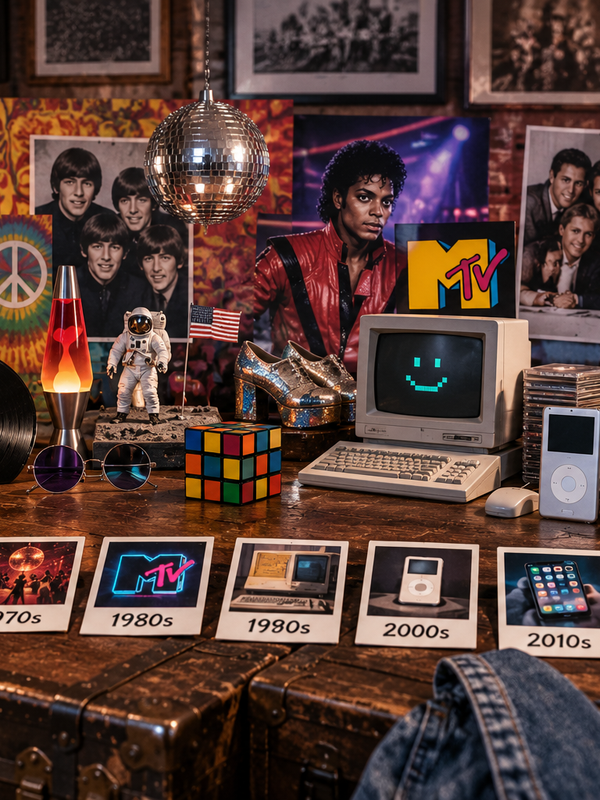
The machinery certainly changes. Hollywood studios shaped stars in the 1950s. MTV helped create them in the 1980s. Tabloids dominated the 2000s. Social media drives much of celebrity culture today.
But lasting icons still tend to share something.
They become associated with an idea, image or moment that extends beyond their actual work.
Elvis wasn’t simply a singer. Muhammad Ali wasn’t simply a boxer. Madonna wasn’t simply a pop star. Michael Jordan wasn’t simply an athlete.
Their careers became shorthand for something about the era that produced them.
Millions of people become famous.
Very few become symbols of their time.