The Fashion Trends That Come Back Every Generation
Mekhi Gross
September 8, 2026
Fashion has a funny way of making people regret throwing things away.
A pair of jeans can look hopelessly outdated for 15 years and then suddenly become exactly what everyone wants. Shoes that once embarrassed teenagers reappear on runways. Parents watch their children enthusiastically buy clothes that look suspiciously similar to outfits hidden in old family photographs.
Fashion constantly talks about what is “new,” but genuinely new ideas are surprisingly rare.
Instead, trends tend to move in cycles. Designers rediscover older silhouettes, younger generations reinterpret them, and social media gives forgotten styles new names. The result is a fashion system where almost anything can become cool again if you wait long enough.
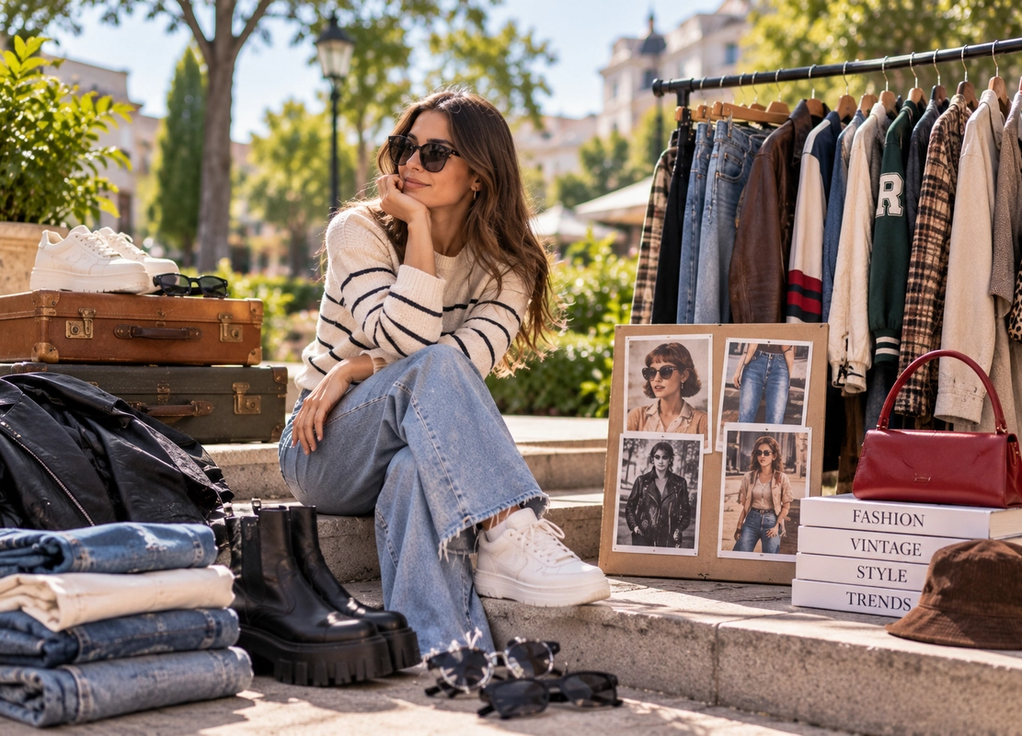
Wide-leg jeans always find their way back
Few pieces of clothing demonstrate the fashion cycle better than jeans.
Bell-bottoms became one of the defining looks of the late 1960s and 1970s. Wide legs created a dramatic silhouette that worked perfectly with platform shoes and the decade’s more expressive approach to clothing.
Then fashion moved in the opposite direction.
By the 1980s and 1990s, denim went through multiple transformations, from high-waisted mom jeans to extremely loose styles associated with hip-hop and skate culture.
The 2000s eventually pushed jeans lower and, later, tighter. Skinny jeans became so dominant that for a while they seemed less like a trend and more like the permanent shape of trousers.
They weren’t.
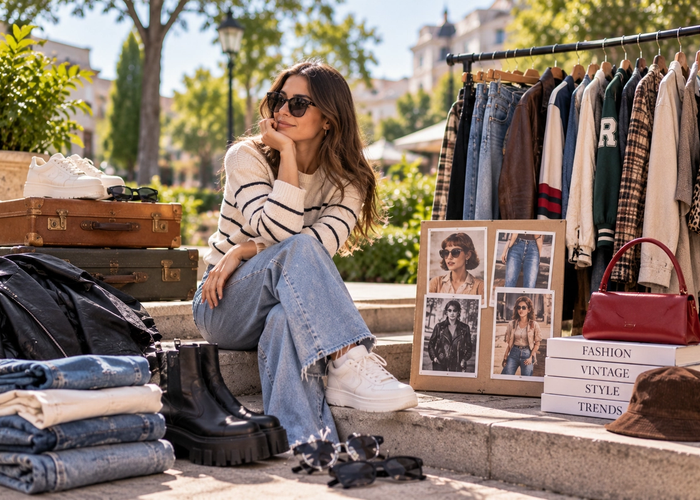
Wide-leg, straight and flared jeans eventually returned, while younger shoppers rediscovered silhouettes their parents remembered wearing decades earlier.
The details change, but the basic cycle remains remarkably reliable. When one shape dominates for long enough, the opposite starts looking fresh.
Platform shoes keep getting taller again
Platform shoes have repeatedly disappeared and returned.
They became strongly associated with the 1970s, particularly through disco and glam rock. Shoes could be enormous, colorful and intentionally impossible to ignore.
The trend returned during the 1990s, when platform sneakers and chunky shoes became part of pop and alternative fashion. The Spice Girls helped make towering platform shoes particularly memorable.
Then footwear became sleeker.
Eventually, naturally, chunky returned.
Thick-soled sneakers, platform boots and exaggerated sandals have all enjoyed new waves of popularity.
There is something appealing about a shoe that completely changes a silhouette. Platforms add height, exaggerate proportions and immediately make an outfit more noticeable.
Fashion may temporarily decide that subtle footwear is sophisticated.
It rarely stays satisfied with subtlety forever.
Leather jackets never really disappear
Some trends return because they never completely leave.
The leather jacket is one of them.
In the 1950s, it became associated with rebellious youth through figures such as Marlon Brando and James Dean. Later, rock musicians adopted it. Punk gave it another identity. The 1980s made leather bigger and more dramatic.
By the 1990s, minimalist leather jackets could look sleek rather than rebellious.
Every generation seems to find a slightly different meaning for essentially the same garment.
One decade pairs it with ripped jeans. Another wears it over a dress. Oversized versions become fashionable, followed eventually by fitted versions.
The leather jacket survives because it is simple enough to be reinvented.
It can suggest rebellion, luxury, rock music or effortless casual style depending on who is wearing it.
High-waisted clothing always gets revenge
Waistlines are one of fashion’s favorite battlegrounds.
High-waisted trousers and skirts dominated many earlier decades before lower rises became increasingly fashionable in the late 1990s and early 2000s.
Eventually, low-rise jeans became so extreme that simply sitting down could require strategic planning.
Then the cycle reversed.
High-waisted jeans returned and initially looked almost deliberately retro. Before long, they became completely ordinary again.
For people who had lived through the previous cycle, the transformation was strange. Clothing they had once been told looked outdated was suddenly being sold as contemporary fashion.
Now low-rise styles have begun returning too.
Fashion has apparently decided nobody gets to win permanently.
Oversized clothing keeps switching meanings
Large clothing has appeared in very different subcultures across multiple generations.
Oversized suits were fashionable in parts of the 1980s. Hip-hop culture helped popularize baggier silhouettes in the 1990s and early 2000s. Skate culture contributed its own version of loose-fitting clothing.
Later, fashion moved toward much slimmer silhouettes.
Suits became tighter. Jeans narrowed. Shirts became more fitted.
Then oversized clothing returned once again.
Large blazers, loose trousers, oversized shirts and relaxed coats became fashionable across men’s and women’s clothing.
What makes the trend interesting is that “oversized” does not mean exactly the same thing every time.
The proportions change. The styling changes. The cultural references change.
The basic idea remains: sometimes clothes look coolest when they appear slightly too large.
Sunglasses constantly recycle old shapes
Accessories move through fashion cycles even faster than clothing.
Consider sunglasses.
Large glamorous frames recall the 1960s and 1970s. Aviators repeatedly return from their associations with military style and films such as Top Gun. Tiny sunglasses evoke the late 1990s and early 2000s.
One year, enormous frames cover half the face.
A few years later, fashionable sunglasses become so small that their ability to block sunlight seems almost beside the point.
Because sunglasses are relatively easy to change, they are perfect for reviving an older aesthetic without rebuilding an entire wardrobe.
A single frame shape can make an otherwise modern outfit look immediately connected to another era.
Vintage sportswear keeps becoming streetwear
Clothing originally designed for sports has repeatedly escaped the gym.
Tracksuits, sneakers, varsity jackets and athletic jerseys have all moved between practical clothing and mainstream fashion.
The 1980s and 1990s were particularly influential here. Sports brands became deeply connected to music and youth culture, transforming sneakers and tracksuits into status symbols.
Modern streetwear continues borrowing heavily from those decades.
Old sneaker models are rereleased. Vintage football shirts become fashionable outside stadiums. Retro running shoes return even when newer designs offer far more advanced technology.
In fashion, technical improvement does not automatically make an older design irrelevant.
Sometimes the outdated version simply looks better.
Younger generations don’t see old trends as old
This is probably the biggest reason fashion keeps repeating itself.
A person who wore a trend the first time remembers when it became embarrassing.
Someone discovering it 20 years later doesn’t.
To them, the style has no awkward decline attached to it. It exists mainly through old photographs, movies, celebrities and carefully selected vintage pieces.
That distance makes experimentation easier.
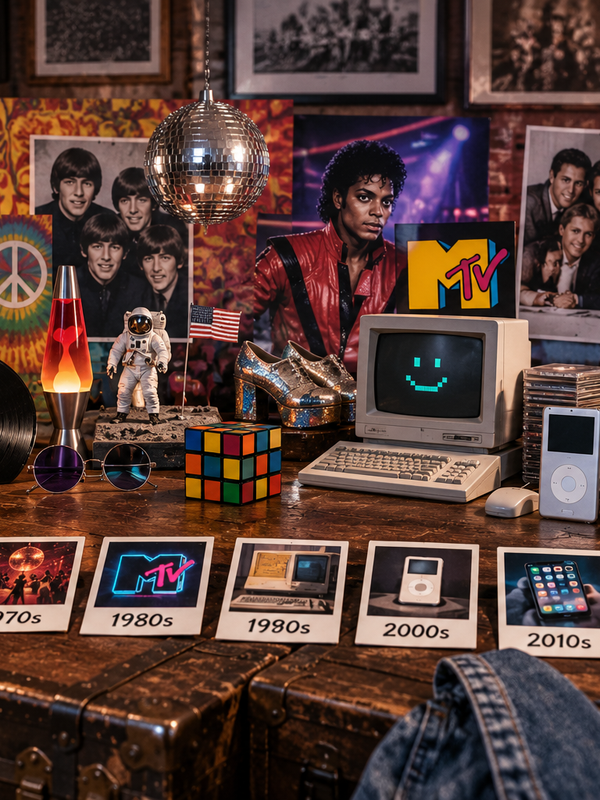
Social media has accelerated the process because every era of fashion is now instantly available for inspiration. Someone can move from 1970s disco to 1990s minimalism to early-2000s pop fashion within a few minutes of scrolling.
As a result, trends may cycle faster than they once did.
Nothing in your wardrobe is truly safe from a comeback
Fashion works partly because people eventually become tired of whatever is currently normal.
When everyone wears skinny jeans, wide trousers begin to look interesting. When minimalism dominates, maximalism feels exciting. When tiny sunglasses become unavoidable, enormous frames suddenly seem fresh again.
Then the process reverses.
That is why declaring a fashion trend permanently dead is dangerous.
Shoulder pads came back. Flares came back. Platforms came back. Low-rise jeans came back despite an entire generation insisting they never should.
So if something in your wardrobe suddenly looks hopelessly outdated, you have two choices.
Throw it away and probably buy it again in 15 years.
Or put it somewhere safe and wait.