
Why We Romanticize the Past (Even When It Wasn’t That Great)
Alvin Cortes
September 9, 2026
The past has excellent marketing.
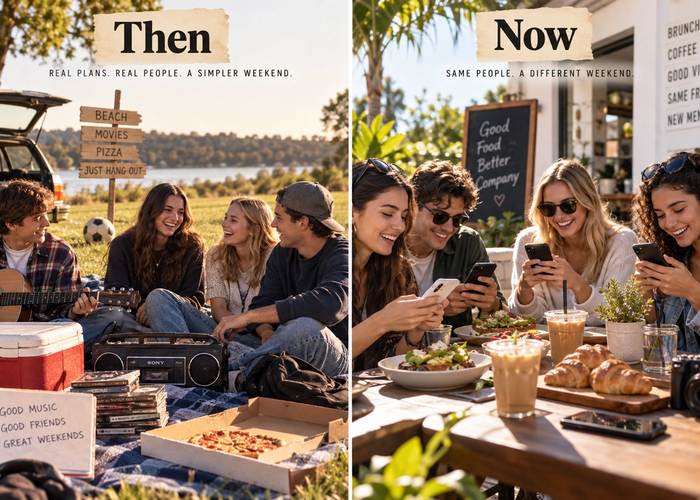
Old photographs make cities look more elegant. Childhood summers seem longer. Music sounded better, people supposedly talked to each other more, and somehow everyone remembers a time when life was simpler.
Then you look more closely.
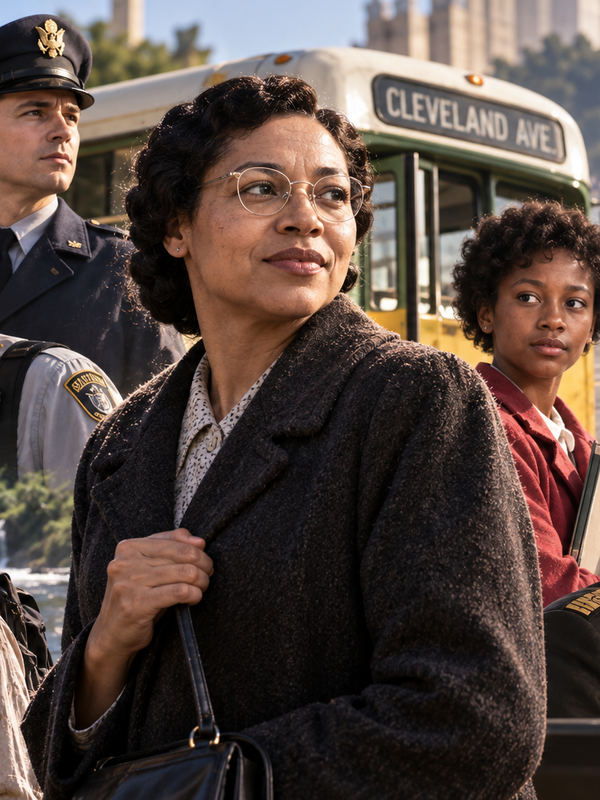
The “good old days” also included worse medical care, fewer rights for many people, more dangerous cars, limited access to information and plenty of ordinary boredom. Even the decade someone remembers as carefree was probably filled with problems that simply don’t appear in the highlight reel anymore.
Yet nostalgia is incredibly powerful. We don’t remember the past like a database. We reconstruct it, and our memories have a habit of keeping the warm lighting while quietly editing out some of the inconvenience.
Our memories are not recordings
It is tempting to imagine memory as a personal archive.
Something happens, the brain stores it, and years later we retrieve the original experience.
Memory doesn’t work quite that neatly.
When we remember something, we reconstruct it using fragments of the original experience combined with emotions, later knowledge and stories we have told ourselves over time.
That means memories can change.
A family vacation that included arguments, bad weather and a miserable six-hour drive may eventually become “that amazing summer trip.”
The unpleasant details haven’t necessarily vanished completely. They simply become less important to the story.
This is particularly powerful with childhood memories because children experience the world differently from adults.
A summer felt carefree partly because someone else was worrying about the bills.
We compare today’s reality with yesterday’s highlights
The present has an unfair disadvantage.
We experience it in full resolution.
We know about the work deadline, expensive repair, irritating message, traffic jam and argument at breakfast because they are happening right now.
The past arrives edited.
We remember the birthday party, not the three boring days before it. We remember dancing to a favorite song, not every terrible song that played on the radio that year.
This creates an uneven comparison.
We place the messy reality of today beside a carefully selected collection of yesterday’s best moments.
Naturally, yesterday wins.
Social media can make the effect even stranger because it gives us actual archives of previous years. Looking through old photographs can create the impression that life consisted entirely of vacations, dinners and smiling friends.
Nobody was photographing themselves doing laundry on a miserable Tuesday.
Childhood makes almost every era look better
Ask people which decade was best and a suspicious number will choose the period when they were young.
That is probably not a coincidence.
Childhood and adolescence contain enormous numbers of first experiences.
Your first favorite band feels important because you have never loved a band that way before. Your first independent trips with friends feel exciting because freedom itself is new.
Even ordinary things can become emotionally powerful.
The cereal you ate, cartoons you watched and sound your family computer made when it started can become intensely nostalgic decades later.
The products themselves were not necessarily superior.
They became attached to a period when life felt new.
This explains why people can become genuinely emotional about discontinued snacks.
They aren’t really mourning the snack.
They are mourning Tuesday afternoon in 1997.
Old technology becomes charming once we forget the annoying parts
Retro technology is particularly good at benefiting from selective memory.
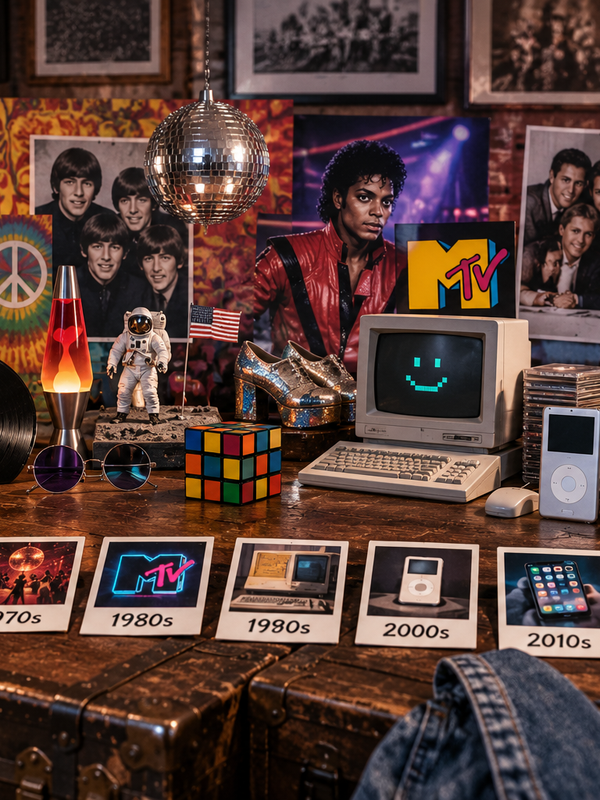
Vinyl records feel physical and intentional. Film cameras create anticipation. Typewriters eliminate digital distractions. Old cars have distinctive designs.
All of that can be true.
But older technology also had limitations that people were extremely happy to escape.
Vinyl records could scratch. Film cost money to develop, and you could discover weeks later that half your photographs were terrible. Typewriters made correcting mistakes annoying. Cars were less safe and reliable.
Dial-up internet has become a lovable nostalgic sound.
Actually using dial-up internet was less lovable.
The moment a technology stops being mandatory, its inconvenience can become part of its charm.
Using a film camera today is a choice.
Depending on one in 1992 wasn’t.
Pop culture remembers the winners
Another reason previous decades look unusually good is that bad culture gets filtered out.
When people talk about 1970s music, they mention the artists who survived culturally.
They don’t usually recreate an average Tuesday’s radio schedule containing every forgettable song released that year.
The same happens with movies, television, fashion and design.
Time acts like an editor.
Excellent work gets rediscovered and recommended. Mediocre work disappears. The surviving examples can make an era appear unusually creative.
Modern culture has not received that filtering yet.
We encounter the masterpieces and the terrible releases simultaneously.
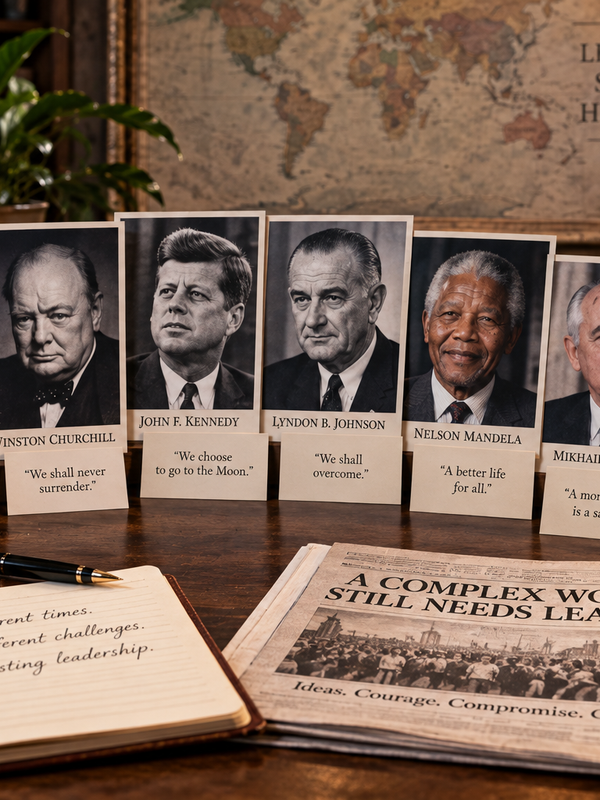
Twenty years from now, people will probably remember a carefully selected version of today’s culture and wonder why everything was so much better in the 2020s.
“Simpler” often means we had fewer choices
People frequently describe earlier life as simpler.
Sometimes it genuinely was.
There were fewer television channels, fewer ways to communicate and fewer products competing for attention.
But simplicity often came from limitation.
If a store didn’t carry something, you went without it. If you missed a television program, you might simply miss it. If a friend moved overseas, maintaining regular contact required much more effort.
Modern life offers extraordinary choice.
The problem is that choice creates decisions.
Thousands of movies are technically better than five television channels, but choosing among thousands of movies can somehow result in spending 45 minutes browsing and watching nothing.
The past removed many decisions because the alternatives did not exist.
That could feel peaceful.
It could also be incredibly frustrating.
Nostalgia gives us somewhere emotionally safe to visit
Romanticizing the past is not necessarily irrational.
Nostalgia can provide comfort precisely because the past is finished.
We already know what happened.
A difficult period can feel less threatening years later because its uncertainty has disappeared. Even memories of stressful times can become comforting once we know we survived them.
The present does not offer that guarantee.
We don’t know how today’s problems will end.
The future is even worse. It hasn’t happened at all.
The past is the only place where the story is complete.
That makes it emotionally attractive.
The past was better at some things and worse at others
Rejecting nostalgia completely would be just as simplistic as believing everything used to be better.
Some things genuinely have been lost.
Certain communities were more locally connected. People experienced fewer digital interruptions. Products were sometimes designed to be repaired rather than replaced.
Other things improved enormously.
Medicine advanced. Cars became safer. Information became more accessible. Communication across distance became effortless. Social and legal opportunities expanded for groups previously excluded from them.
History rarely moves cleanly from worse to better.
It trades one set of problems for another.
Someday, today will become the good old days
This may be the funniest part.
Right now, the present feels ordinary.
Our phones are ordinary. Our clothes are ordinary. The restaurants we visit and songs we hear everywhere are simply part of daily life.
Eventually, they will become nostalgic.
Someone will recreate a 2020s bedroom. People will collect today’s technology. A song we are currently tired of hearing will unexpectedly play somewhere in 2045 and make an entire room of adults emotional.
They will remember how simple everything felt.
They will forget plenty of the things we are currently complaining about.
And the past will perform its favorite trick again.
It will become better in memory than it ever managed to be while we were actually living through it.