Then vs Now: How We Actually Discovered Music (Radio, MTV, Streaming)
Jovanni Chan
September 8, 2026
Finding a new favorite song used to involve a surprising amount of luck.
You might hear something on the radio without knowing who performed it. A friend could hand you a CD and insist that track seven was going to change your life. You might stay up watching MTV and suddenly see a music video from a band you had never heard of.
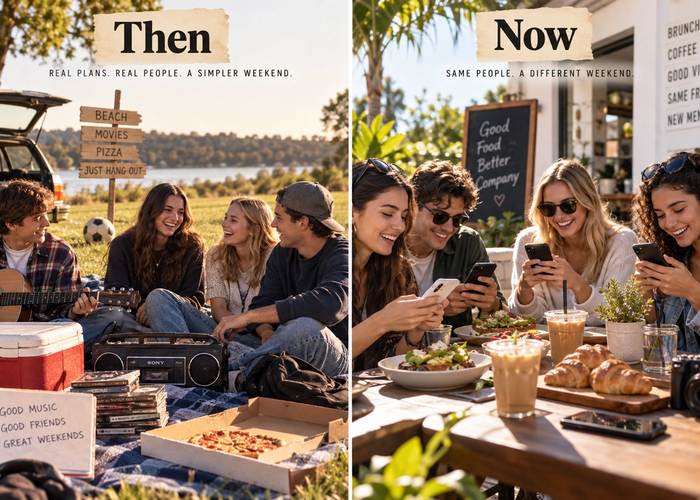
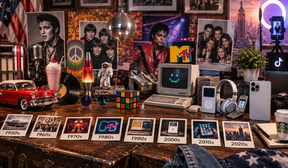
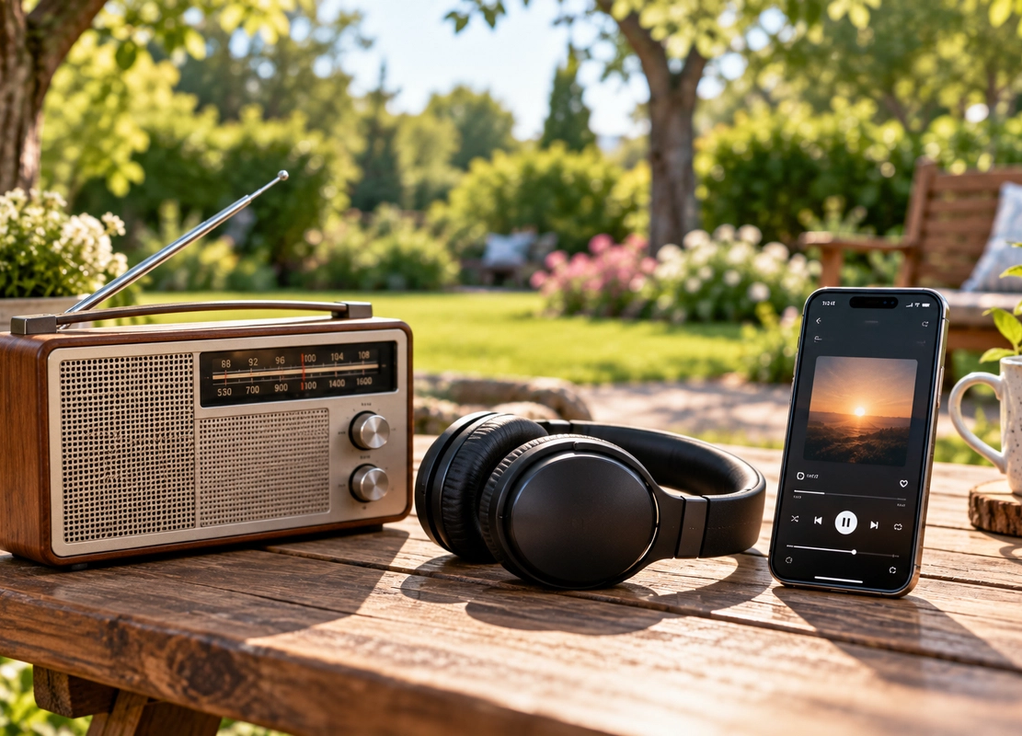
Today, discovering music works very differently. Streaming services can recommend hundreds of songs based on what you already listen to. TikTok can turn a relatively unknown track into a global hit within days. Almost any song you hear can be identified instantly with a phone.
We have access to more music than any previous generation could have imagined. Yet the strange thing is that discovering less music sometimes felt more exciting.
Radio decided what millions of people heard
For much of modern music history, radio was one of the most powerful ways to discover new songs.
Listeners had limited control over what came next. A DJ, station or programming director largely decided what you heard. If a song became popular enough, you might hear it several times in a single day.
That limitation created shared musical experiences.
Millions of people in the same country or city could know the same hits because they listened to the same handful of stations. A song receiving heavy radio play could quickly become unavoidable.
If you loved a song but missed the artist’s name, however, things became complicated. You could wait and hope the DJ mentioned it later. You could ask someone. You could remember a few lyrics and attempt to investigate.
There was no phone listening beside you and identifying the track in seconds.
That uncertainty could be frustrating, but it also made finally finding the song incredibly satisfying.
MTV made discovering music visual
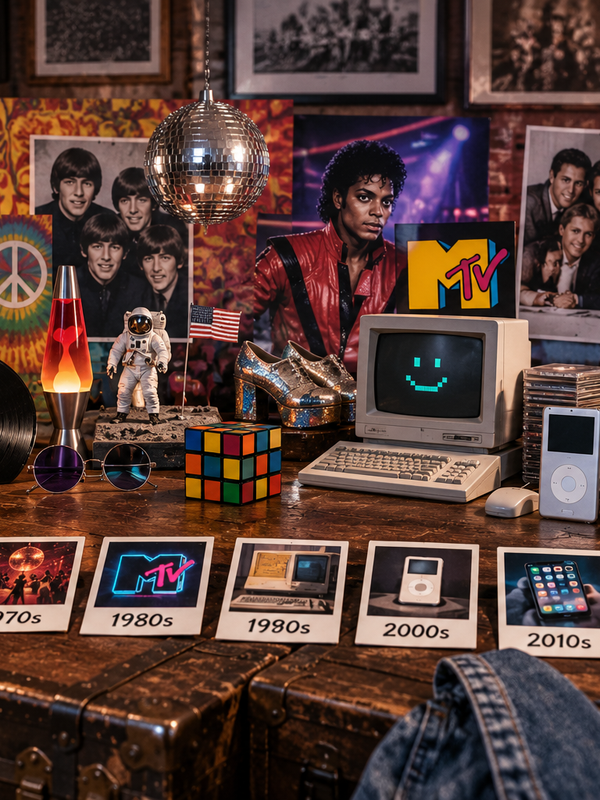
When MTV launched in 1981, music discovery gained another dimension.
Artists were no longer competing only for listeners. They were competing for viewers.
Music videos turned songs into miniature films, performances and cultural events. Michael Jackson’s Thriller, Madonna’s constantly evolving visual identity and Nirvana’s Smells Like Teen Spirit became inseparable from the images accompanying the music.
During MTV’s most influential years, viewers could spend hours watching videos without knowing exactly what would appear next.
That unpredictability mattered.
You might turn on the television for one artist and discover three others while waiting. Programs dedicated to particular genres also exposed audiences to music they might never have encountered through mainstream radio.
A memorable video could transform a song into something much bigger than an audio recording.
For a generation of listeners, discovering music meant seeing it too.
Record stores made discovery physical
Before almost every album was instantly available online, record stores played an important role in deciding what people listened to.
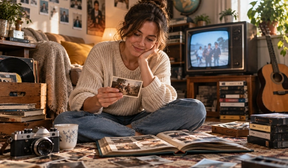
You wandered through shelves. You examined album covers. You checked staff recommendations. Sometimes you bought an album because you liked one song and simply hoped the rest would be good.
That involved risk.
Buying music cost enough that choices mattered. You could not sample an artist’s entire catalog before deciding whether they deserved your money.
Friends became valuable filters as well. Someone lending you an album or making you a mixtape was effectively giving you a personal recommendation long before recommendation algorithms existed.
Mixtapes and burned CDs were particularly powerful forms of music discovery because somebody had deliberately chosen the songs.
There was a person behind the playlist.
The internet broke open the gates
The early internet dramatically expanded how music could spread.
File-sharing services made enormous libraries of digital music accessible, legally or otherwise. Music blogs introduced readers to emerging artists. Forums allowed fans of obscure genres to find each other.
Then platforms such as YouTube made discovering music even easier.
Suddenly, you didn’t need a radio station or television network to introduce you to an artist. A song could circulate through links, forums and social networks.
This weakened the traditional gatekeepers of music.
Artists could potentially reach listeners without receiving radio airplay or appearing on MTV. Fans could explore genres that rarely appeared in mainstream media.
The amount of available music exploded.
The problem changed from finding music at all to deciding what was worth hearing.
Streaming turned discovery into an algorithm
Streaming services solved that problem with recommendations.
By 2025, platforms could analyze listening habits and continuously suggest music based on artists, songs, genres and patterns of behavior.
Instead of waiting for a DJ to play something interesting, listeners could open a personalized playlist built specifically for them.
This is incredibly effective.
Someone who enjoys a relatively obscure artist can immediately find dozens of similar musicians. Entire genres can be explored in an afternoon. Discovering international music no longer requires access to specialist record shops or radio programs.
But personalization also changed the shared experience of music.
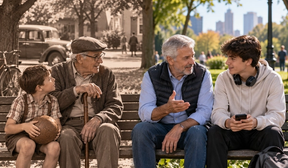
Two people can use the same streaming service every day and encounter completely different musical worlds.
Radio created mass audiences. Algorithms create individual ones.
TikTok can make almost any song suddenly enormous
Social media added another unpredictable force to music discovery.
TikTok in particular demonstrated that a song does not need to be new to become a hit.
A short section of a track can appear in thousands of videos, inspire a trend and send listeners searching for the full version. Songs released years or even decades earlier can suddenly return to charts after being discovered by younger audiences.
This has changed how music spreads.
Sometimes people encounter a song repeatedly before they even know its title or artist. The music begins as part of a meme, dance, edit or joke and only later becomes something they intentionally listen to.
In that sense, music discovery has become social again, but on an enormous global scale.
We gained unlimited choice and lost a little mystery
There is no question that discovering music today is easier.
Hear a song in a café and your phone can identify it. Like an artist and a streaming service can immediately recommend similar ones. Want to explore Brazilian funk, Ethiopian jazz or Japanese city pop? You can start within seconds.
That access is extraordinary.
Still, older forms of discovery had something that is difficult to reproduce: anticipation.
Waiting for your favorite song to appear on the radio made hearing it feel special. Buying an album without knowing every track involved discovery after the purchase. Receiving a mixtape meant wondering what the person had chosen for you.
Today, almost everything is available immediately.
We no longer have to search very hard for music.
Instead, music is constantly searching for us.